


- 11 May, 2026
- 0 Comments
- 6 Mins Read

Is African Tech Talent in Global Demand? Here’s the Truth
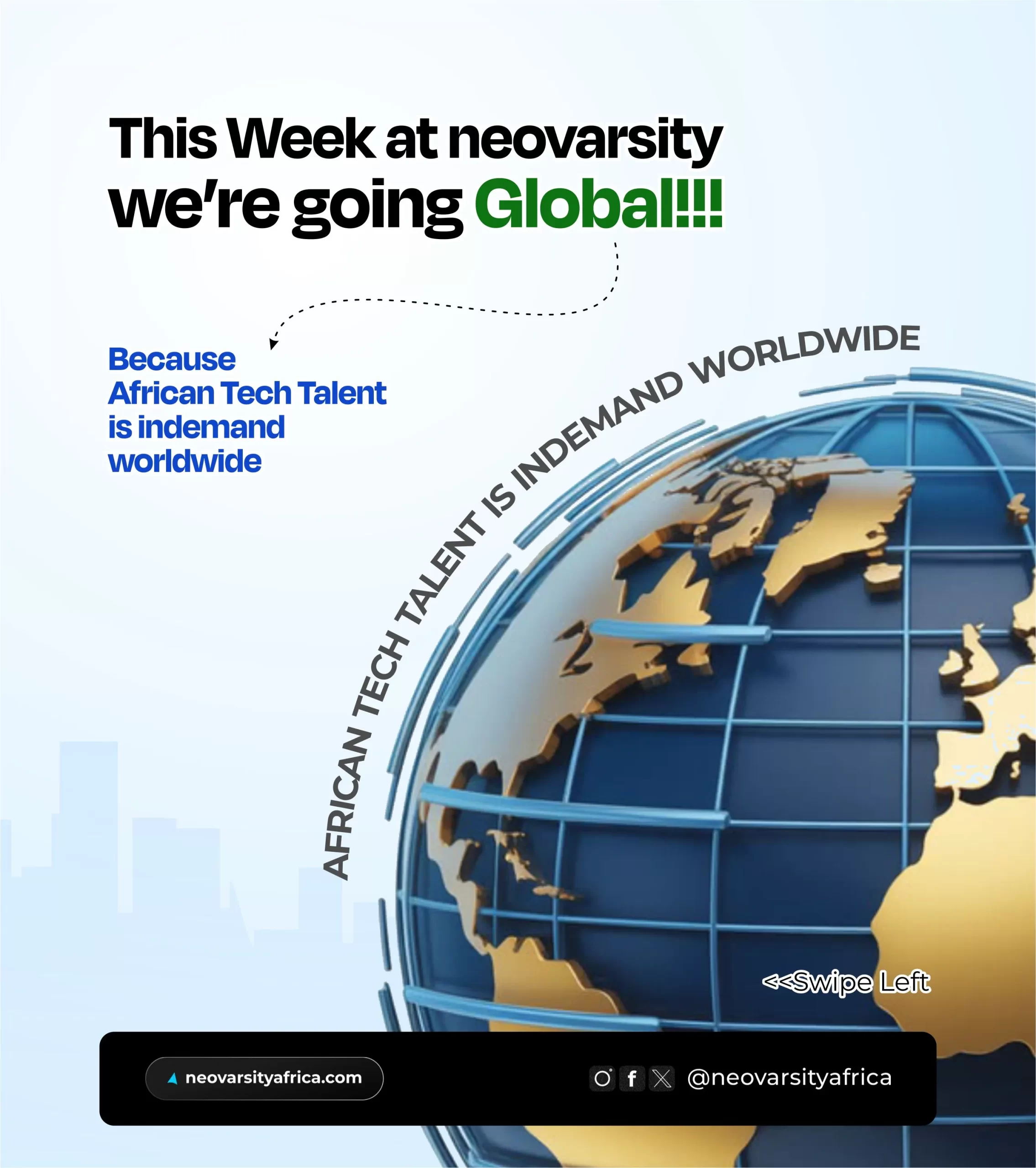
Yes, African tech talent is in global demand. And the numbers, the hiring trends, and the stories of graduates landing roles with companies in London, Toronto, Berlin, and Houston all point to the same undeniable truth: the world is not just noticing African tech talent. It is actively recruiting it.
But here is the question most young Africans never get a direct answer to: how do you position yourself to access that demand?
That is exactly what this article breaks down.
The Global Shift Nobody Warned African Tech Professionals About
For years, the narrative around African tech talent was one of potential. “Africa has great talent.” “The continent is rising.” “Watch this space.”
That narrative has changed.
African tech talent is no longer potential — it is performance. Nigerian developers are shipping code for fintech companies in New York. Ghanaian UX designers are leading product teams for startups in Amsterdam. Kenyan data analysts are building dashboards for enterprises in Singapore. And they are doing it all remotely, from their homes on the continent, earning in foreign currency.
The barrier was never talent. It was always access—access to the right skills, the right networks, and the right training that meets global standards.
Why Global Companies Are Actively Seeking African Tech Talent
The rise of remote work fundamentally changed the hiring equation for companies worldwide. When geography stopped being a filter, quality became the only filter that mattered.
Here is why African tech talent has risen to the top of that filter:
1. A Young, Fast-Growing Tech Population
Africa has the world’s youngest population, with a median age of just 19 years. This means a massive, hungry, digitally native workforce that is eager to learn, adapt, and deliver — qualities that top global companies pay a premium for.
2. Strong Problem-Solving Mentality
African developers and designers have built products under infrastructure constraints that their counterparts in developed markets have never faced. That produces a level of resourcefulness and adaptability that is genuinely rare — and genuinely valuable.
3. Competitive Cost Without Compromising Quality
Companies in London, Toronto, and Berlin can access world-class African tech talent at competitive rates without sacrificing skill or output quality. This is not exploitation — it is the global market working as it should, creating mutual value on both sides.
4. Time Zone Overlap With Europe
Nigerian, Ghanaian, and Kenyan professionals share overlapping working hours with major European markets. This makes real-time collaboration far more practical than hiring across Asia or the Americas, and it is a logistical advantage that global hiring managers increasingly factor into their decisions.
What Skills Are Global Companies Hiring African Tech Talent For?
If you are a young African professional wondering whether your skill set qualifies for global remote work, here is what the market is currently paying for:
Software Development — Frontend (React, Vue), Backend (Node.js, Python, Django), and Full Stack roles are among the most in-demand globally.
UI/UX Design — Companies need designers who understand user behaviour, not just tools. Product designers with Figma skills and user research experience are in high demand.
Data Analytics & Data Science — SQL, Python, Power BI, Tableau. The ability to turn raw data into business decisions is a skill every company on the planet is hiring for.
Digital Marketing — Performance marketing, SEO, paid social, content strategy. The digital economy runs on visibility and African marketers are building global reputations in this space.
Product Management — Junior and mid-level product managers with technical literacy are being recruited by remote-first companies across Europe and North America.
The common thread across all of these? They are learnable. Every single one of these skill sets can be acquired through structured, focused training — regardless of where in Africa you are starting from.
The One Thing Standing Between African Tech Talent and Global Opportunity
Let’s be direct.
The gap is not intelligence. It is not a work ethic. It is not ambition.
The gap is structured, industry-aligned training that meets global standards.
Too many young Africans have taught themselves half a skill from YouTube videos and bootcamp content that was not built with global employers in mind. They graduate with theoretical knowledge and no portfolio, no mentorship, no understanding of how global product teams actually work — and then they apply for remote roles and wonder why they are not getting responses.
The African tech talent that is landing global remote jobs is not the most naturally gifted. It is the most prepared.
That is the difference training makes.
How Neovarsity Africa Is Preparing the Next Generation of Global African Tech Professionals
Neovarsity Africa was built with one mission: to turn African raw talent into globally competitive tech professionals.
This is not a platform that teaches you to pass a quiz. It is a programme built around real-world skills, live mentorship, portfolio development, and career placement support — because getting the skill is only half the journey. Landing the role is the other half.
Here is what makes Neovarsity different:
Industry-Aligned Curriculum
Every course at Neovarsity Africa is built around what global employers are actually hiring for — not what was relevant three years ago. The curriculum is reviewed and updated in real time to reflect market demand.
Mentorship From Professionals Already Working Globally
Our mentors are not academics. They are Nigerian developers working for European startups, Ghanaian designers building products for US companies, Kenyan data analysts consulting for global enterprises. They teach what they live.
Portfolio-First Learning
By the time you complete a Neovarsity programme, you have a portfolio of real work — not assignments, not simulations, but actual projects that demonstrate your capability to any employer in the world.
Career Support That Actually Converts
From LinkedIn profile optimisation to CV reviews to mock interviews with global hiring managers, Neovarsity graduates do not just finish a course — they enter the job market ready to compete.
Real Results: African Tech Talent Going Global
Neovarsity Africa graduates are not waiting for the world to come to Africa. They are already meeting it — from Lagos, Accra, Nairobi, Abuja, and beyond.
Our graduates are landing remote roles with companies paying in USD and GBP. They are working across time zones. They are building careers that were not possible five years ago — not because the world changed its mind about Africa, but because they showed up equipped, prepared, and globally competitive.
The world is hiring African tech talent. The question is whether you will be ready when it calls.
The Skill Is the Passport
Here is the most important thing to understand about the global demand for African tech talent: it is not charity. It is commerce.
Global companies are not hiring African professionals to do anyone a favour. They are hiring them because they deliver results. Because they are skilled. Because they are worth it.
And if you are a young African professional reading this — whether you are in Lagos or Kumasi, Nairobi or Kampala — the global market has a place for you. Not someday. Now.
You do not need to leave Africa to work for the world. You need the right skills.
Get yours at neovarsityafrica.com.
Frequently Asked Questions
Can African developers really get remote jobs with global companies?
Yes. African developers, designers, data analysts, and digital marketers are actively being hired by companies in the UK, USA, Canada, Germany, and across Europe. Remote work has removed geography as a barrier — skill is now the primary qualifying factor.
What tech skills are most in demand globally for African professionals?
Software development (React, Node.js, Python), UI/UX design, data analytics, digital marketing, and product management are currently among the highest-demand skill sets for remote global roles.
How does Neovarsity Africa prepare students for global remote work?
Neovarsity Africa combines industry-aligned curriculum, mentorship from globally working professionals, real-world portfolio development, and career placement support — preparing graduates not just to learn a skill, but to land the role.
Do I need to relocate to access global remote jobs?
No. The majority of global remote roles do not require relocation. African professionals can work for companies in London, Toronto, or Berlin from their homes on the continent.